

Mastering the Mayfly Hatch: Fly Patterns, Timing & Tactics for Success
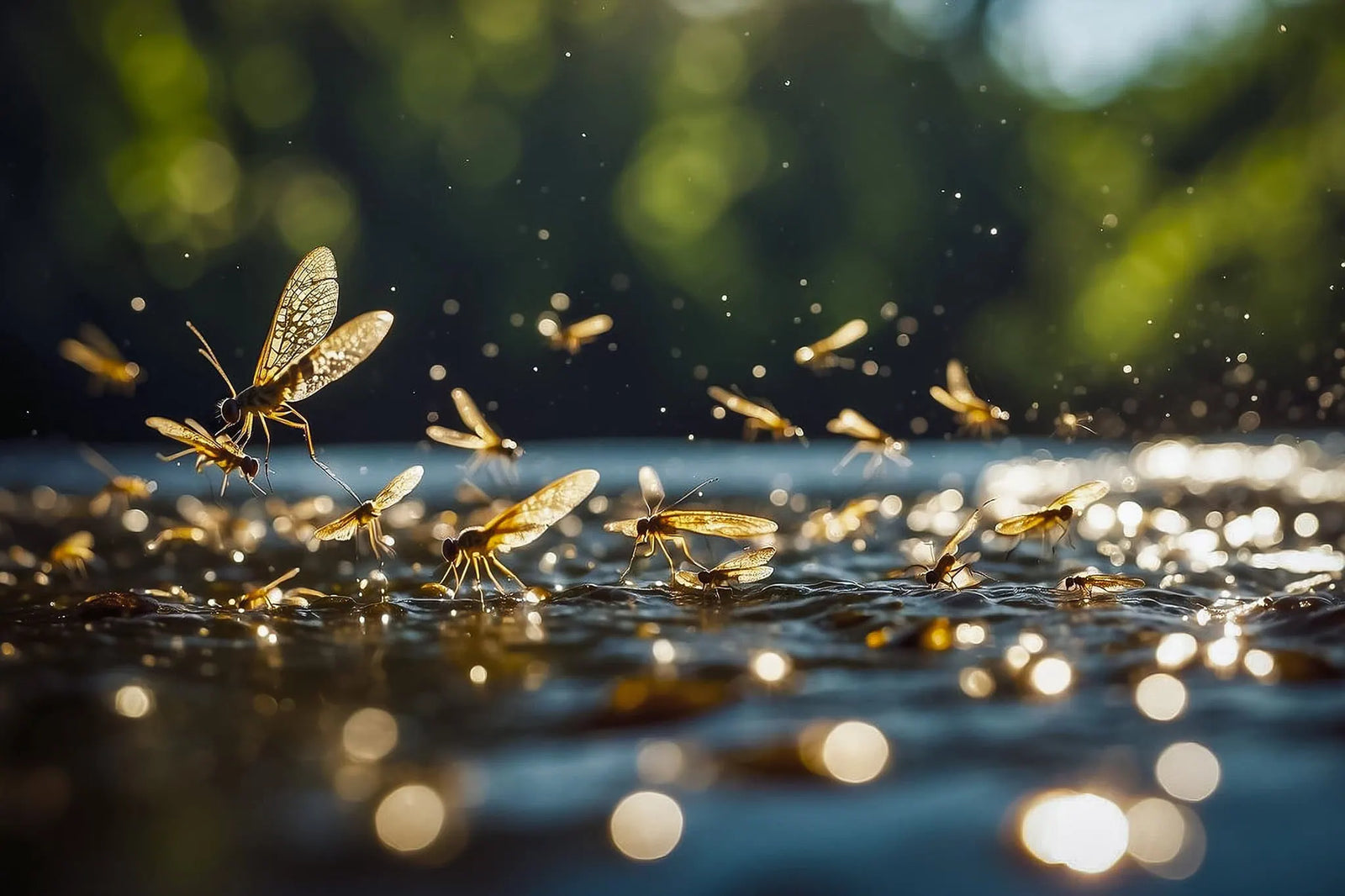
Few insects are as iconic—or as important—to fly fishers as the mayfly. With delicate upright wings, slender bodies, and graceful drifts along the current, mayflies are a primary food source for trout across North America. Their presence often signals one of the best opportunities to target rising fish with dry flies or emergers.
From late spring through fall, various mayfly species hatch in waves, each offering a different color, size, and timing. Matching these hatches—both in form and stage—is one of the most effective ways to catch trout. Whether you're fishing classic PMDs, Green Drakes, Baetis, or Cahills, understanding the mayfly lifecycle will help you time your presentations and fly selection more accurately throughout the day.
The Mayfly Lifecycle and Why It Matters to Anglers
The mayfly typically has a one-year lifecycle, starting as a nymph on the riverbed and evolving through several key stages: nymph, emerger, dun, and spinner. Nymphs mature underwater and emerge at the surface as duns—winged adults that drift briefly before taking flight. After a day or two, these duns transform into spinners, which mate and lay eggs before dying, completing the cycle.

Understanding this lifecycle helps anglers choose the right pattern and presentation at the right time. Like all mayflies, they go through four major stages: egg, nymph, emerger, and adult. Trout feed during three of these phases—nymph, emerger, and adult—offering multiple opportunities to match the hatch throughout the day.
- Egg Stage: Fertilized by the spinner stage, eggs sink and adhere to rocks or aquatic vegetation along the streambed.
- Nymph Stage: Mayflies spend most of their lives underwater as nymphs, crawling, clinging, or swimming near the bottom. Trout often key in on this stage in the hours leading up to a hatch.
- Emerger Stage: As nymphs rise toward the surface to emerge, they become highly vulnerable. Trout frequently target these insects just below or within the surface film.
- Adult (Dun) Stage: Once they break through the surface, adult mayflies (duns) drift momentarily while their wings dry—prime time for dry fly action as trout feed off the top.
- Dun molts into Spinner: After 24–48 hours, duns molt into spinners with translucent, outstretched wings.
- Spinner deposits eggs: Spinners return to the water to mate and lay eggs in slow current seams or calm eddies.
- Spent Spinner: After laying eggs, the spinners die and float downstream with wings splayed flat, becoming easy meals for opportunistic trout.
By timing your fly choice with these stages—starting with nymphs early, switching to emergers mid-hatch, and finishing with dries or spinners—you'll increase your odds of success dramatically.
Techniques for Fishing Mayflies
When fishing with mayfly patterns, it is important to match the size and color of the fly to the natural mayflies present in the water, and to pay attention to the hatch timing and use the appropriate fly pattern during the hatch. It is also important to use a drag-free presentation, as mayflies have a delicate and natural drift on the water. One effective technique for imitating the natural movement of the mayfly is to cast upstream and let the fly drift downstream naturally, especially in faster-moving water. Alternatively, in slower-moving water such as pools and eddies, a dead drift technique with the fly in the water without any added movement can be particularly effective.
- Match the Hatch: Mayflies come in different sizes and colors depending on their stage of development. Matching the hatch means choosing a fly pattern that mimics the size, shape, and color of the mayflies present in the water. This can increase your chances of catching fish that are actively feeding on mayflies.
- Pay Attention to the Water: Mayflies hatch in different parts of the river or stream depending on the time of day and water temperature. Observing the water can help you locate feeding fish and determine the best time and place to fish.
- Cast with Precision: Mayflies are delicate insects that float on the water's surface, making it important to cast your line accurately and gently to avoid spooking the fish. Try to present your fly upstream and allow it to drift naturally with the current.
- Use a Drag-free Drift: To achieve a natural-looking presentation, it's essential to avoid drag on your fly line. Drag occurs when the current pulls the line, causing the fly to move unnaturally. To avoid drag, try to mend your line upstream and allow it to drift naturally with the current.

Mayfly Hatch Timing: What to Expect
Mayflies hatch in seasonal waves, and knowing when different species emerge can help you plan your day—and your fly box—accordingly. While exact timing varies by region and weather, here’s a general guide to when you can expect major mayfly activity throughout the year:
- Spring to Early Summer – Expect hatches of Baetis (Blue-Winged Olives), PMDs, and March Browns, usually in mid-morning to afternoon windows.
- Mid to Late Summer – Larger species like Green Drakes and Cahills hatch in late afternoons or evenings, often just before sunset.
- Fall – Smaller BWO and Mahogany Dun hatches dominate, particularly on overcast days with steady flows.
📌 Pro Tip: Fish nymphs before the hatch, emergers during, and switch to duns and spinners as you see trout actively rising.
RECOMMEND MAYFLY PATTERNS
Matching each stage of the mayfly lifecycle is the key to consistent success on the water. From deep-drifting nymphs to drifting spinners, these proven patterns will help you adapt as the hatch progresses. Choose flies that match the size, shape, and behavior of naturals in your local water, and be ready to switch as conditions change.
Nymphs: Imitating the Subsurface Stage
Before the hatch begins, trout often key in on mayfly nymphs drifting near the bottom. This is your cue to fish deep with dead-drift presentations—either under an indicator or using a tight-line setup. Adding split shot helps get your flies down quickly, and running a two-fly rig with a beadhead nymph and trailing emerger can dramatically increase hookups as fish transition from bottom-feeding to looking up.
|

|
|
 |
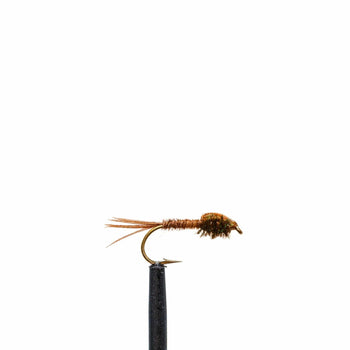
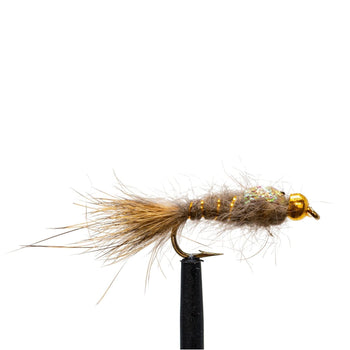
| Pheasant Tail Nymph | Gold-Ribbed Hare’s Ear |
Beadhead Hare’s Ear Flashback |
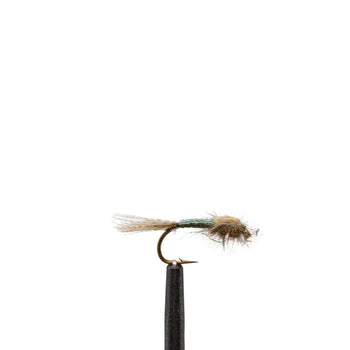
WD-40 Dun |
Pheasant Tail Nymph (Sizes 14–18): A legendary nymph with a natural taper and just enough flash to imitate a wide range of mayfly nymphs. Deadly on its own or as part of a two-fly rig.
Gold-Ribbed Hare’s Ear (Sizes 14–18): A versatile, buggy pattern with a lifelike appearance that mimics many mayfly species. Great for prospecting or when fish are not dialed in on a specific nymph.
Beadhead Hare’s Ear Flashback (Sizes 14–18): Adds weight and flash to the traditional profile, making it perfect for stained water or overcast days when extra visibility matters.
WD-40 – Dun (Sizes 18–22): A slim, flush-riding emerger that imitates small mayflies stuck in the surface film. Excellent for selective trout during slow rises.
📌 Pro Tip: Fish nymphs early and adjust weight as needed. A small indicator or tight-line setup helps detect subtle strikes in the early stages of a hatch.
Emergers: Targeting the Transition Phase
When trout key in on mayflies just before they break through the surface, emerger and soft hackle patterns become essential. These flies imitate insects in the vulnerable transition between nymph and adult—drifting in the film or struggling free from their shucks. Fish them just below the surface on a dead drift, or swing them gently through riffles and current seams to mimic natural movement.
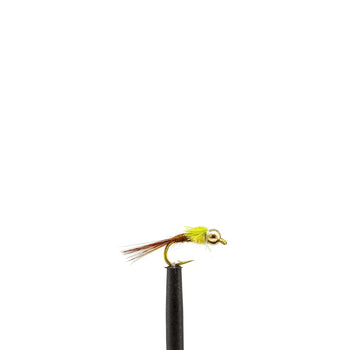
Beadhead PMD Emerger (Sizes 16–18): Imitates a PMD nymph struggling to emerge. The beadhead provides just enough weight to keep it in the film, making it deadly in slow seams and behind rising fish.
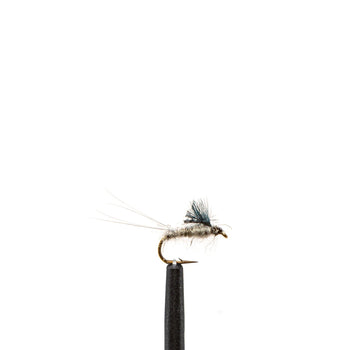
RS2 (Sizes 18–22): A classic emerger pattern for technical hatches. Its slim profile and trailing shuck make it deadly when fish are ignoring duns.
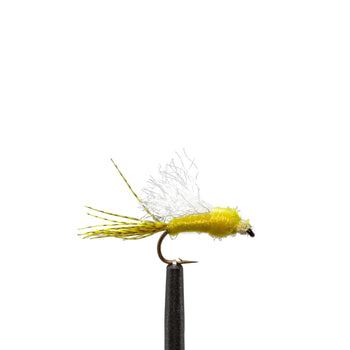
Yellow Emerger (Sizes 16–18): A lightly dressed pattern with a yellow body and CDC wing. Imitates a freshly emerged PMD caught in the surface film. Best fished in slower currents or slicks.
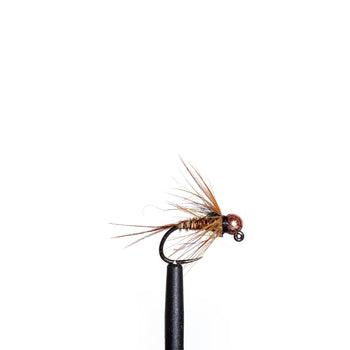
Beadhead Soft Hackle Pheasant Tail (Sizes 16–20): Combines lifelike movement with a proven profile. Dead-drift or swing this fly when fish are targeting emerging nymphs or diving back toward the bottom.
📌 Pro Tip: Emergers often outperform dries when trout are picky. Use these in the 30–60 minutes before the main hatch. Fish with a swing or grease the tippet to keep them suspended in the film.
Duns: Imitating the Adult Stage (Dry Flies)
When mayflies reach the water’s surface and begin drying their wings, trout often key in on this vulnerable phase. These dry fly patterns imitate freshly emerged adults riding high in the film—perfect for targeting rising fish during the peak of the hatch.
|
|
|
|
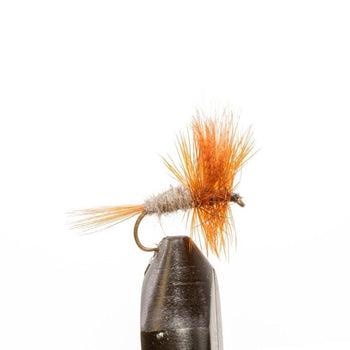
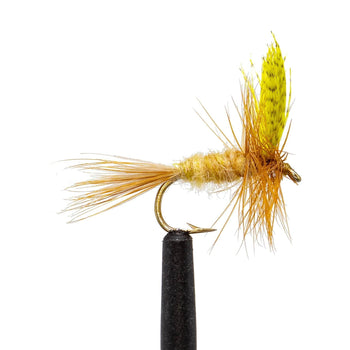
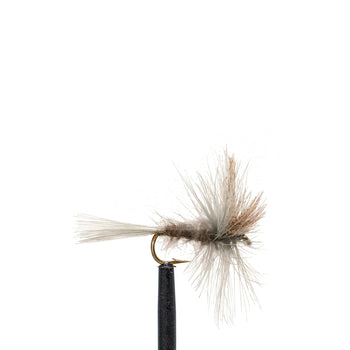
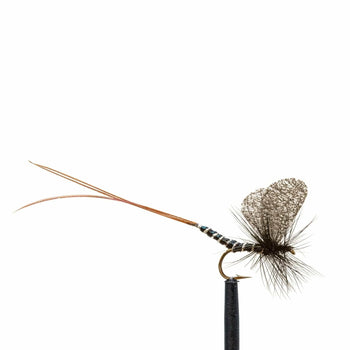
| Dark Cahill | Light Cahill | Hendrickson | Black Mayfly |
|
|
|

|
| Brown Mayfly | Cream Mayfly | Olive Mayfly | Blue Winged Olive (BWO) |
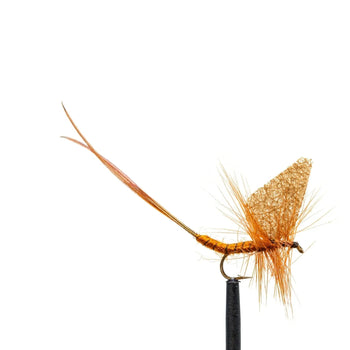
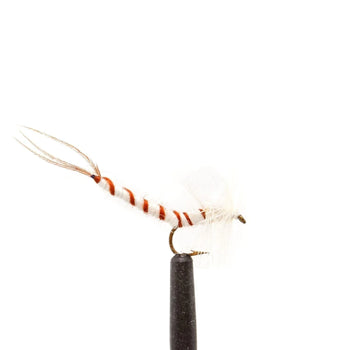
Dark Cahill: The Dark Cahill is a classic fly that imitates the Ephemerella subvaria mayfly, which is found throughout North America. It's a great fly to use in the early spring when the water is still cold and the mayfly hatches are just starting. This fly works well when fished in slow-moving water, such as eddies, and can be fished both dry and wet.
Light Cahill: The Light Cahill is a lighter version of the Dark Cahill and imitates the Stenacron interpunctatum mayfly. This fly is great to use in the late spring when the mayfly hatches are more abundant and the water is starting to warm up. This fly is best fished dry, and is particularly effective when fished in riffles or other fast-moving water.
The Hendrickson: The Hendrickson fly is one of the most popular mayfly imitations, and for good reason. It imitates the Ephemerella subvaria mayfly in its dun stage, which is when the mayfly has just emerged from the water and is drying its wings before flying away. This fly works well when fished dry, and is particularly effective when fished in slower-moving water, such as pools or eddies.
Black Mayfly: The Black Mayfly imitates the Baetis tricaudatus mayfly, which is found in most parts of the world. This fly is best fished dry, and is particularly effective when fished in slow-moving water, such as pools or eddies. This fly is a great option to use in the late spring, when the mayfly hatches are more abundant.
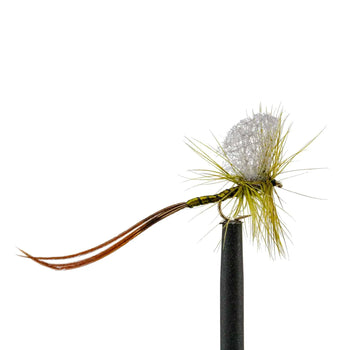
Brown Mayfly: The Brown Mayfly is a great fly to use when fishing for trout in the late spring, when the water is starting to warm up and the mayfly hatches are more abundant. This fly imitates the Baetis mayfly, which is found throughout North America. This fly can be fished both wet and dry, and is particularly effective when fished in faster-moving water, such as riffles.
Cream Mayfly: The Cream Mayfly is a great fly to use when fishing for trout in the early spring, when the water is still cold and the mayfly hatches are just starting. This fly imitates the Ephemerella invaria mayfly, which is found throughout North America. This fly can be fished both wet and dry, and is particularly effective when fished in slower-moving water.
Olive Mayfly: The Olive Mayfly imitates the Baetis mayfly in its nymph stage, which is when the mayfly is still underwater. This fly is best fished wet, and is particularly effective when fished in slow-moving water, such as pools or eddies. This fly is a great option to use in the early spring, when the water is still cold and the mayfly hatches are just starting.
Blue Winged Olive (BWO): The Blue Winged Olive is a small mayfly that is prevalent during the spring season. This fly can be fished in both the dun and nymph stages and is best fished in slower-moving water, such as pools and eddies. The BWO is an excellent choice for imitating emerging mayflies.
ADDITIONAL DRY FLY OPTIONS:
Parachute Adams (Sizes 14–20): A time-tested classic that imitates a range of mayfly duns. Its parachute design offers excellent floatation and visibility, making it a go-to in riffles and moderate current. Ideal as a searching pattern when multiple hatches overlap.
Pale Morning Dun (PMD) (Sizes 16–18): A precise match for one of late spring’s most consistent hatches. Best fished in slower water—like eddies, glides, and seams—where trout have time to inspect the fly.
March Brown: (Sizes 12–14): A larger mayfly that hatches earlier in the season. This pattern is effective in fast-moving water where trout strike quickly. Use it on freestone rivers with rocky riffles and broken flows.
Sulphur Dun (Sizes 16–18): A great choice during evening hatches in late spring. Its pale yellow body and upright wings make it perfect for low-light conditions. Fish it in slow pools and tailouts when you see sipping rises.
Sparkle Dun (Sizes 14–18): A flush-floating emerger-dun hybrid with a trailing shuck. Deadly when trout are feeding selectively during a hatch. Use in flat water or light current when fish are sipping gently just below the surface.
Mahogany Dun Parachute (Sizes 14–16): An ideal match for late-spring and early-summer Mahogany hatches. Its parachute profile makes it visible yet realistic—perfect for riffled seams and soft banks.
Spinners: The Final Act
When mayflies return to the water to lay eggs, they become easy targets for rising trout. Spinners float flush with the surface, wings splayed flat—creating a delicate and irresistible silhouette. Trout often key in on this stage during calm mornings or evenings. These patterns are best fished dead-drift in slick water, seams, or just above slow tailouts.
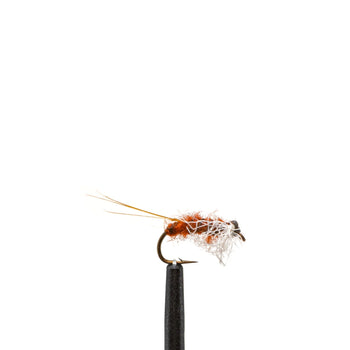
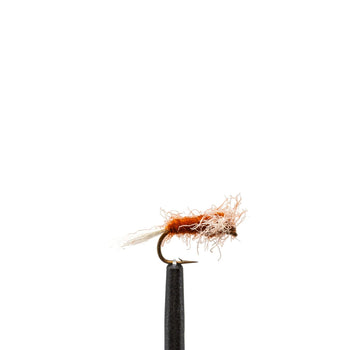
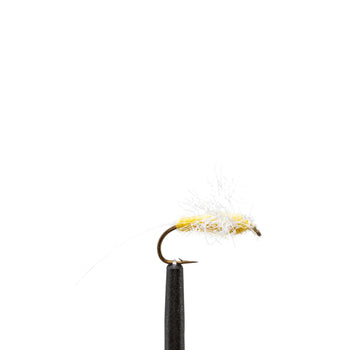
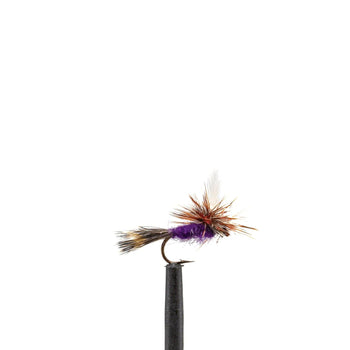
Rusty Spinner (Sizes 16–20): A versatile spinner pattern that covers a wide range of mayfly species, especially PMDs. Its slim, rusty-brown body and outstretched wings mimic spent adults perfectly. Deadly at dusk when trout sip gently in flat water.
Mahogany Spinner (Sizes 16–18): Ideal during late spring and early summer Mahogany Dun hatches. This pattern excels in calm slicks and pool edges when trout are keyed in on spent spinners after the evening emergence.
PMD Spinner (Sizes 16–18): A classic spent-wing pattern with low profile and outstretched wings. Most effective in the evenings and on flat water when spent duns collect in back eddies and slicks.
Purple Haze (Sizes 14–20): Though technically an attractor dry, the Purple Haze fishes exceptionally well during spinner falls. Its low-riding design and visibility in low light make it a favorite when matching the hatch isn’t obvious.
📌 Pro Tip: Spinner falls often bring the biggest fish to the surface. Use long leaders and make soft, accurate casts. If you're not getting takes, switch to a fly with flatter wings or trim hackle to help it sit lower in the film.
Final Thoughts: Mastering the Mayfly Hatch
Success during a mayfly hatch comes down to timing, observation, and understanding the lifecycle. By recognizing each stage—from nymph to spinner—and adjusting your approach accordingly, you’ll greatly improve your odds of connecting with rising trout.
Stay alert, match the hatch, and keep your fly box ready. When mayflies are on the water, it’s your best opportunity to experience the magic of dry fly fishing at its finest.


